
Pest Control Service in Lancaster, PA
A scratching sound in the ceiling rarely stays a small problem for long. Raccoons, squirrels, and bats that squeeze through a gap under the eaves settle in fast, tearing at insulation, chewing through wiring, and leaving droppings that build up out of sight. Each week an animal stays inside a home, the damage spreads further into the attic, the walls, and sometimes the living space below. Spring litters and fall nesting only add to the pressure, since a den that goes unnoticed one season often returns bigger the next. Getting an intrusion handled early protects both the structure and the people living under it.
Farm country surrounds Lancaster, PA on nearly every side, with fields, hedgerows, and wooded fence lines bordering neighborhoods throughout the area. Older farmhouses and stone rowhomes common here carry open soffits, uncapped chimneys, and hand-built additions that were never sealed against animals looking for shelter. Cold winters push wildlife toward any warm cavity a house offers, while the surrounding cropland and woodlots keep a steady population of raccoons, groundhogs, and birds moving close to developed areas year-round. That constant edge between farmland and housing keeps local demand for wildlife removal steady from one season to the next.
We are Ranger Wildlife, a dependable pest control service in Lancaster, PA, built around humane trapping, exclusion work, and full cleanup after an animal is gone. Our technicians inspect a property from roofline to foundation, locate every entry point, and remove wildlife using regulation-compliant methods before sealing the structure against a repeat visit. With over 7 years of hands-on experience, we handle raccoons, squirrels, bats, birds, and other nuisance animals the same careful way every time. Reach out and we will walk you through what we find and how we plan to fix it.
Our Services in Lancaster, PA
- Service 1
- Service 2
- Service 3
- Service 4
- Service 5
- Service 6
- Service 7
- Service 8
- Service 9
about - location
Lorem ipsum dolor sit amet, consectetur adipiscing elit, sed do eiusmod tempor incididunt ut labore et dolore magna aliqua. Lorem ipsum dolor sit amet, consectetur adipiscing elit, sed do eiusmod tempor incididunt ut labore et dolore magna aliqua.
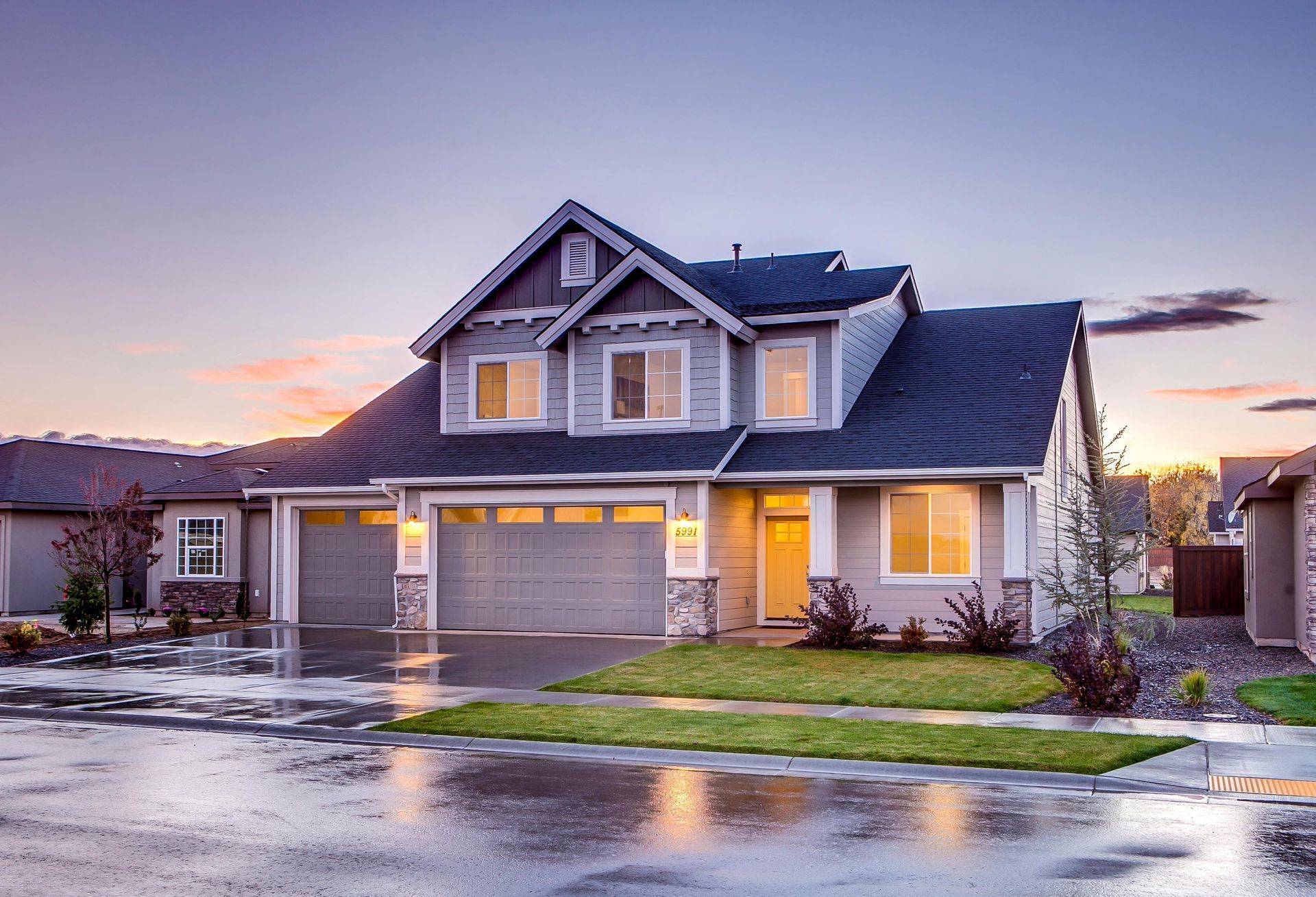
About Lancaster, PA
Lancaster grew from an eighteenth-century market town into a hub for one of Pennsylvania's most productive farming areas, and that agricultural heritage still shapes the landscape around it today. Brick and stone rowhomes fill the older grid downtown, while the surrounding townships hold farmhouses, barns, and newer subdivisions tucked between open fields and hedgerows that ring the older neighborhoods.
Housing stock spans centuries here, from colonial-era stone construction to postwar ranches and modern infill built along the edges of town. Many older properties still carry original wood trim, hand-dug root cellars, and additions built without much thought to sealing gaps against animals looking for a way inside a warm, dry space.
The Conestoga River and the patchwork of farmland surrounding the city keep woodlots, hedgerows, and creek corridors within reach of most neighborhoods. That mix of open countryside and dense older housing gives wildlife plenty of room to travel and plenty of aging structures to test for an opening each year as the seasons turn.
Farm-Edge Housing That Fuels Wildlife Control Needs in Lancaster, PA
Wildlife pressure around Lancaster, PA follows the rhythm of the farm calendar as much as the weather. Harvest season clears cover from open fields, pushing raccoons, groundhogs, and mice toward the nearest structure with food or shelter, and older homes near cropland tend to see the heaviest traffic each fall.
Barns, sheds, and stone foundations common on older properties offer countless small gaps that squirrels and mice exploit, while chimneys without caps give raccoons and birds a direct route into an attic. Hedgerows and fence lines act as travel corridors, letting animals move between fields and houses with little exposure to open ground.
Freeze-thaw cycles through the winter widen small cracks in foundations and soffits, turning a hairline gap into a workable entry point by spring. Combined with the steady presence of farmland wildlife nearby, these conditions keep pressure on local homes high enough that periodic inspection matters just as much as reacting to noise overhead.
Humane Trapping, Exclusion, and Cleanup Standards for Wildlife Removal
Effective wildlife removal starts with correct identification, since a raccoon denning in a chimney calls for a different plan than bats roosting behind a soffit vent. A thorough inspection traces droppings, stains, and noise back to the exact entry point and confirms which species is involved before any equipment goes up on the roofline.
Humane methods such as one-way doors and careful hand capture let animals exit on their own timeline, timed to avoid trapping dependent young inside a wall or attic void. Once a structure is confirmed clear, exclusion work closes every gap with heavy-gauge mesh, corrected flashing, and vents built to resist chewing and prying for years to come.
Cleanup finishes the job properly. Contaminated insulation gets pulled and replaced, affected surfaces are treated to cut down lingering odor, and enclosed spaces are checked once more before the work is called complete. Skipping this stage leaves scent trails behind that tend to draw the next animal straight back to the same opening.
See What Our Customers Are Saying!
Testimonials


Jeffrey M.
Kyle presented with clear understanding of how to address my squirrel infestation and scheduled with me to get the job completed in a timely manner.
I was impressed with Kyle's professional approach, experience, and thoroughness in doing the entire job, including roof repair, in full. I can fully endorse Kyle as a trusted pro in this area!
Gabriellea S.
Kyle was very knowledgeable and was able to resolve our issue almost immediately. One of the actions needed was to cut a hole into the wall to remove the animal and he did this flawlessly and left the area very clean, only needing some plaster and sanding for us to do. Would highly recommend his services.
Michelle A.
Kyle was great to work with! He was very responsive and contacted me within 24 hours. He honored every visit made, kept in close contact & provided thorough explanations on the work needed. The cage built over the roof vent ensures no other critters will be visiting INSIDE the house. Ranger Wildlife Removal is the best ever!!!
Why Lancaster Residents Trust Ranger Wildlife
Homeowners call us because Ranger Wildlife has been a trusted pest control service in Lancaster, PA for years, and we treat every job as more than a quick trap-and-go visit. We inspect the full structure, explain what we find in plain language, and lay out the plan clearly before any work starts on the property.
Our technicians read a property fast, spotting the vents, soffits, and foundation gaps that a less thorough look would miss entirely. Every removal follows humane, regulation-compliant methods, and every exclusion job uses materials built to hold up against repeated attempts by animals trying to get back inside.
Every seal and repair we finish reflects the same care we would want for our own home, and we stand behind that work long after the invoice is paid and the crew has left. That accountability, paired with years of hands-on field experience, is why families in the area keep calling us back.
our services in location name
Insert Title
Insert Title
Insert Title
Insert Title
Insert Title
Insert Title
Request Pest Control Service in Lancaster, PA
Ready to get an intrusion handled? Ranger Wildlife brings reliable pest control service to Lancaster, PA homeowners dealing with scratching in the attic, droppings in the insulation, or animals denning somewhere they shouldn't be this time of year, no matter the season.
Send us a message or give us a call, and we will set up an inspection that fits your schedule around your day. We walk through what you're hearing, ask a few questions about the property, and give you a clear picture of the visit before anyone arrives at the door to start work.
Technicians handle removal, exclusion, and cleanup as one coordinated visit, so you are not juggling separate crews or waiting on callbacks for each stage of the process along the way. With years of field experience behind every job, we close the door on wildlife problems and leave the structure sealed, sanitized, and ready to stay that way for good.
1. How can I tell if an animal has already moved out on its own?
Fresh droppings, disturbed insulation, and active noise point to a den still in use, while dry, matted material and silence over several days often mean the animal has left. A quick inspection confirms which situation you're dealing with before any sealing begins.
2. What's the difference between an old den and one still in use?
Old activity leaves dry droppings, packed-down insulation, and no fresh noise, while an active den shows loose debris, recent tracks, and sound at consistent times of day. We look for these details closely before recommending a course of action.
3. Is it safe to seal an entry point myself once I think an animal is gone?
Sealing too soon can trap an animal inside, especially a mother separated from young, leading to worse odor and damage problems later. We confirm a den is fully vacated before closing any opening, which keeps the fix permanent rather than temporary.
4. How long does exclusion work typically hold up?
Properly installed mesh, flashing, and vent covers are built to resist chewing and prying for years, not just one season. Weather and general wear can loosen materials over time, so an occasional check keeps the seal performing the way it should.
5. What happens to insulation an animal has nested in?
Nested insulation usually needs to come out, since droppings and matted material hold odor and can affect indoor air quality long after an animal is gone. We remove the contaminated sections and replace them so the space stays clean and functional.
6. Do raccoons and squirrels damage a home differently?
Raccoons tend to tear larger openings and compress insulation heavily as they nest, while squirrels chew wiring and wood trim more aggressively. Ranger Wildlife adjusts the repair plan to match whichever animal caused the damage, rather than using one fix for every case.
7. Why do I only hear noise at certain times of day?
Many wildlife species are most active at dawn, dusk, or overnight, which is when scratching or movement in the attic tends to stand out most. That pattern alone can help narrow down which animal is present before an inspection even begins.
8. What should I expect during the first visit?
Our technician walks the property, traces signs back to their source, and identifies the species involved before discussing options. Give Ranger Wildlife a call and we'll get a visit scheduled that works with your timeline.